

Gun Maintenance: Essential Tips for Longevity and Performance
Understanding proper gun maintenance transforms firearms from tools that degrade over time into reliable equipment that performs consistently for decades. Every shot fired creates conditions that, without attention, reduce accuracy, increase wear, and potentially compromise safety. At Las Vegas Shooting Center, instructors emphasize that maintaining your firearms isn’t just about cleaning—it’s about understanding the science of how firearms operate and what they need to function optimally.
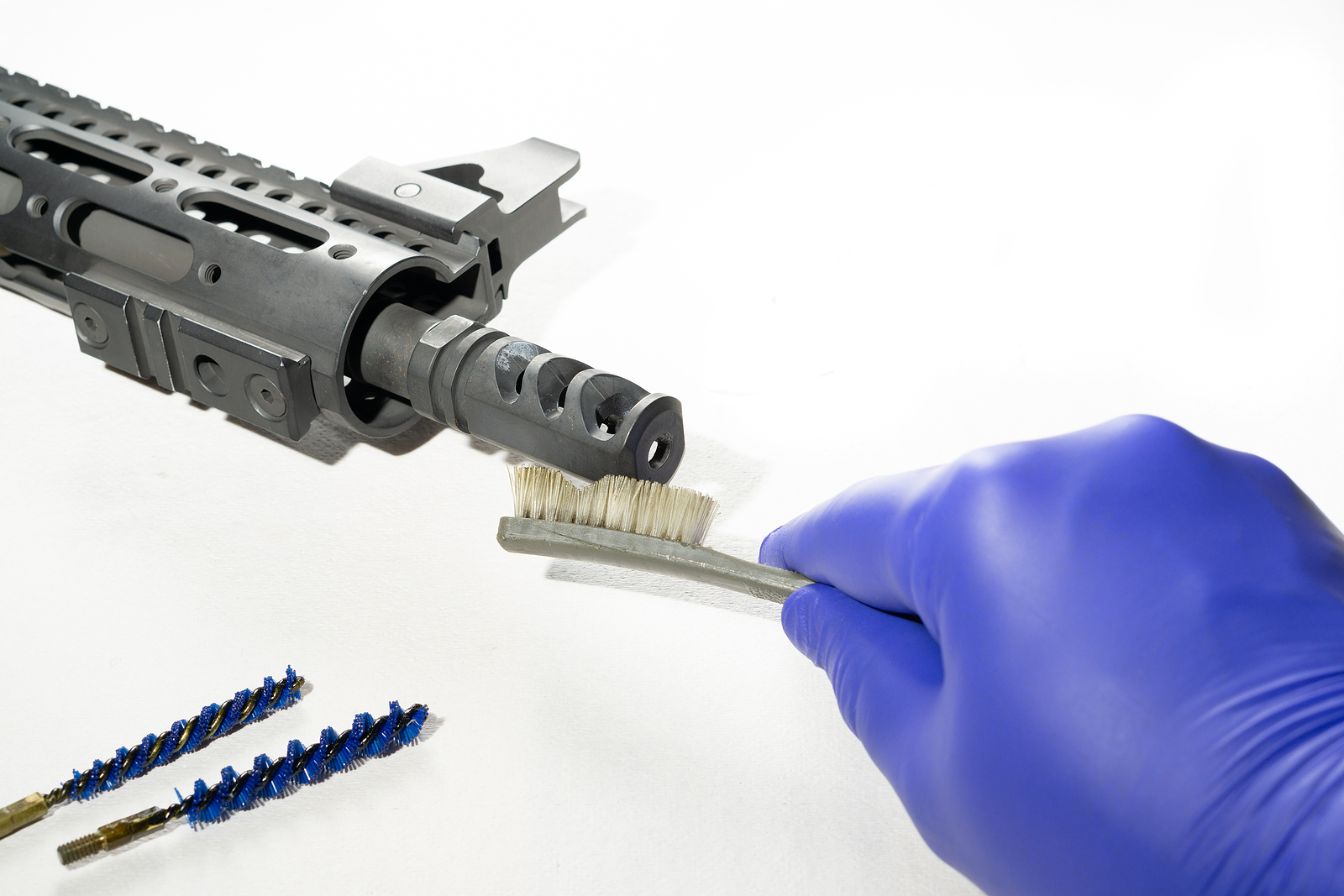
Why Gun Maintenance Matters: The Scientific Perspective
Firearms operate in remarkably harsh conditions. Understanding what happens during firing explains why regular maintenance isn’t optional—it’s essential.
What Happens When You Fire
Combustion Process: Each shot creates temperatures exceeding 3,000°F in the chamber and barrel. This extreme heat and pressure produce:
- Carbon deposits from burned powder
- Copper fouling from bullet jackets
- Lead residue (from certain ammunition)
- Corrosive salts (from some primers)
- Unburned powder particles
The Cumulative Effect: These byproducts don’t simply disappear. They accumulate in the bore, action, and on all internal surfaces, creating friction, restricting movement, and accelerating wear.
How Neglect Affects Performance
Accuracy Degradation: Fouling in the barrel creates an inconsistent surface. Bullets encounter varying friction as they travel, causing:
- Irregular spin rates
- Inconsistent velocities
- Expanded shot groups
- Diminished long-range precision
Mechanical Reliability: Carbon buildup in the action causes:
- Sluggish cycling
- Failure to feed properly
- Extraction and ejection issues
- Trigger problems
Corrosion Damage: Moisture exposure without protective lubrication leads to:
- Surface rust and pitting
- Weakened metal structure
- Seized moving parts
- Permanent cosmetic damage
Core Gun Maintenance Steps
Effective maintenance follows a systematic approach that ensures nothing gets overlooked.
Step 1: Safety First – Unload and Verify
Critical Safety Procedure: More accidents occur during cleaning than any other firearm handling activity. Never skip these steps:
- Remove the magazine or open the cylinder
- Lock the action open
- Visually inspect the chamber
- Physically check the chamber with your finger
- Verify no ammunition is in your cleaning area
- Keep the muzzle pointed in a safe direction throughout
Step 2: Disassemble Appropriately
Field Stripping: Most firearms require only basic field stripping for routine maintenance:
- Remove the slide or upper receiver
- Extract the barrel (if applicable)
- Remove the recoil spring
- Separate major components
What Not to Do: Avoid complete detail stripping unless specifically necessary. Over-disassembly risks:
- Lost parts
- Incorrect reassembly
- Damaged springs or pins
- Voided warranties
Step 3: Clean the Bore Thoroughly
The barrel receives the most punishment and requires careful attention.
Bore Cleaning Process:
Using a Cleaning Rod:
- Apply solvent-soaked patch through the bore
- Let solvent work for 5-10 minutes
- Run bronze brush through bore 10-15 times
- Push clean patches until they emerge white
- Repeat if necessary
Using a Bore Snake:
- Apply solvent to the built-in bronze brush
- Pull through the bore 3-5 times
- Faster but less thorough than rod cleaning
Chamber Cleaning: Don’t forget the chamber—carbon buildup here affects feeding and extraction. Use a chamber brush or wrapped patch to scrub thoroughly.
Step 4: Clean Action Components
Where metal slides against metal, fouling accelerates wear.
Critical Areas:
- Slide rails and frame rails
- Bolt carrier group (rifles)
- Cylinder and forcing cone (revolvers)
- Breech face and extractor
- Magazine well and feed ramp
Cleaning Method:
- Apply solvent with brush or cloth
- Scrub until carbon deposits loosen
- Wipe clean with dry patches
- Inspect for remaining buildup
Step 5: Inspect While Cleaning
Maintenance provides opportunities to identify problems before they cause failures.
What to Check:
Springs:
- Cracks or corrosion
- Permanent compression
- Unusual wear patterns
Pins and Fasteners:
- Looseness or backing out
- Wear or peening
- Proper installation
Finish:
- Wear through to bare metal
- Holster wear patterns
- Rust or corrosion spots
Barrel Condition:
- Rifling sharpness
- Throat erosion
- Pitting or damage
Early detection prevents small issues from becoming expensive repairs.
Step 6: Lubricate Correctly
Proper lubrication might be the most misunderstood aspect of firearm maintenance.
Lubrication Philosophy: More isn’t better. Excess oil attracts carbon, dust, and debris, creating paste-like buildup that impedes function.
Where to Lubricate: Apply thin, light coats only to:
- Slide rails or bolt carrier
- Barrel hood or locking lugs
- Trigger bar and connector (sparingly)
- Hammer or striker channel
- Any metal-on-metal contact points
What to Avoid:
- Flooding the action with oil
- Lubricating firing pin channels (can cause slam fires)
- Using automotive or household oils
- Over-lubricating in dusty/dirty environments
Choosing Lubricants: Use firearm-specific products designed to:
- Withstand combustion temperatures
- Resist evaporation
- Protect against corrosion
- Function in temperature extremes
Step 7: Reassemble and Function Check
Reassembly: Follow your firearm’s manual precisely. Incorrect reassembly can:
- Prevent proper function
- Create safety hazards
- Damage components
- Void warranties
Function Checking: Before considering maintenance complete:
- Verify proper reassembly
- Check that safety mechanisms work
- Ensure trigger resets correctly
- Confirm magazine insertion and release
- Test slide or bolt operation
- Dry fire (if safe for your firearm)
Smart Maintenance Schedules
Consistency matters more than intensity. Regular light maintenance beats sporadic deep cleaning.
After Each Shooting Session
Immediate Care (Within 24 Hours):
- Full bore cleaning while fouling is fresh
- Action component cleaning
- Light lubrication
- External wipe-down
Why Timing Matters: Fresh fouling removes easily. Hardened deposits require aggressive solvents and scrubbing that accelerates barrel wear.
During Storage Periods
Monthly Checks (Unfired Firearms):
- Visual inspection for rust
- Wipe down with oiled cloth
- Function check
- Verify storage conditions
Every 3-6 Months:
- Light bore cleaning
- Re-lubrication of contact points
- Detailed inspection
- Magazine spring relief (if applicable)
Special Conditions
High Round Count Days: Shooting 200+ rounds generates substantial fouling. Consider mid-session wipe-downs and extra-thorough post-session cleaning.
Corrosive Ammunition: Some military surplus ammunition uses corrosive primers. Clean within hours of shooting, using water-based solutions before standard solvents.
Humid/Salt Air Environments: Coastal or high-humidity storage requires:
- More frequent inspections
- Heavier protective coatings
- Dehumidifier use
- Increased vigilance for rust
Proper Storage Practices
Storage conditions dramatically affect how much maintenance firearms require.
Ideal Storage Environment
Temperature and Humidity:
- Consistent temperature (avoid fluctuations)
- Relative humidity below 50%
- Climate-controlled spaces preferred
- Dehumidifiers or desiccants in safes
Protective Measures:
- Light oil coating on all metal surfaces
- Gun socks or cases for individual protection
- Vapor corrosion inhibitor (VCI) products
- Regular air circulation
What to Avoid:
- Foam-lined cases for long-term storage (traps moisture)
- Leather holsters during storage (absorbs moisture)
- Basements without dehumidification
- Direct contact with carpet or fabric
Common Gun Maintenance Mistakes
Avoid these errors that compromise firearms or waste effort.
Over-Cleaning: Excessive cleaning, especially with harsh solvents, can:
- Remove protective finishes
- Accelerate barrel wear
- Damage polymer components
- Create unnecessary work
Wrong Products: Using inappropriate cleaners or lubricants:
- WD-40 isn’t gun oil (too light, evaporates)
- Automotive products contain wrong additives
- Harsh chemicals damage finishes
- Penetrating oils attract debris
Neglecting Magazines: Magazines cause more malfunctions than firearms. Maintain them by:
- Disassembling and cleaning periodically
- Inspecting feed lips and springs
- Replacing worn components
- Rotating regularly
Skipping Documentation: Track maintenance to identify patterns:
- Date and round count at cleaning
- Parts replaced
- Issues discovered
- Performance notes
Essential Gun Maintenance Tools
Build a comprehensive cleaning kit with quality tools.
Basic Kit Components:
- Caliber-specific cleaning rods or bore snakes
- Bronze brushes (correct caliber)
- Cleaning patches
- Quality gun solvent
- Gun oil/lubricant
- Nylon cleaning brushes
- Microfiber cloths
- Cotton swabs
Advanced Additions:
- Ultrasonic cleaner
- Bore scope (inspect barrel condition)
- Digital calipers (measure wear)
- Parts brush set
- Gun vise or cradle
Frequently Asked Questions About Gun Maintenance
How often should I clean my firearms? Clean within 24 hours after shooting and perform light maintenance every 2-3 months during storage, even if unfired. Neglected firearms develop issues faster than regularly maintained ones.
What are the essential maintenance supplies? Caliber-appropriate cleaning rod or bore snake, brushes, patches, quality solvent, gun-specific oil, and cleaning cloths form a complete basic kit. Invest in quality products—they’re more economical long-term.
Can over-lubrication hurt performance? Absolutely. Excess oil attracts carbon and dust, creating paste-like buildup that causes sluggish cycling and malfunctions. Apply thin coats only where metal contacts metal.
Is cleaning the same as maintenance? No. Cleaning removes fouling, while complete maintenance includes inspection, lubrication, corrosion prevention, and identifying parts needing replacement before they fail.
Does regular maintenance improve accuracy? Yes. Clean bores with consistent surfaces produce uniform bullet travel, while properly lubricated actions ensure repeatable lock-up. Both factors directly affect accuracy.
Professional Maintenance and Training
While routine maintenance is owner-performed, certain situations warrant professional attention.
When to Seek Gunsmiths:
- Annual detailed inspections
- Spring replacement
- Sight installation or adjustment
- Action work or trigger jobs
- Any safety concerns
Las Vegas Shooting Center staff can provide maintenance guidance and recommend qualified local gunsmiths for specialized work.
Start Your Maintenance Routine Today
Proper gun maintenance isn’t complicated—it requires consistency and attention to detail. Establishing good habits now protects your investment and ensures reliable performance when it matters most.
Contact Las Vegas Shooting Center:
- Phone: 702-778-5872
- Website: Las Vegas Shooting Center
Our instructors can demonstrate proper cleaning techniques and answer maintenance questions during your visit.
Master gun maintenance for lasting performance. Proper care ensures accuracy, reliability, and safety for decades of shooting enjoyment.