

Firearm Safety Best Practicing for when You’re at Home
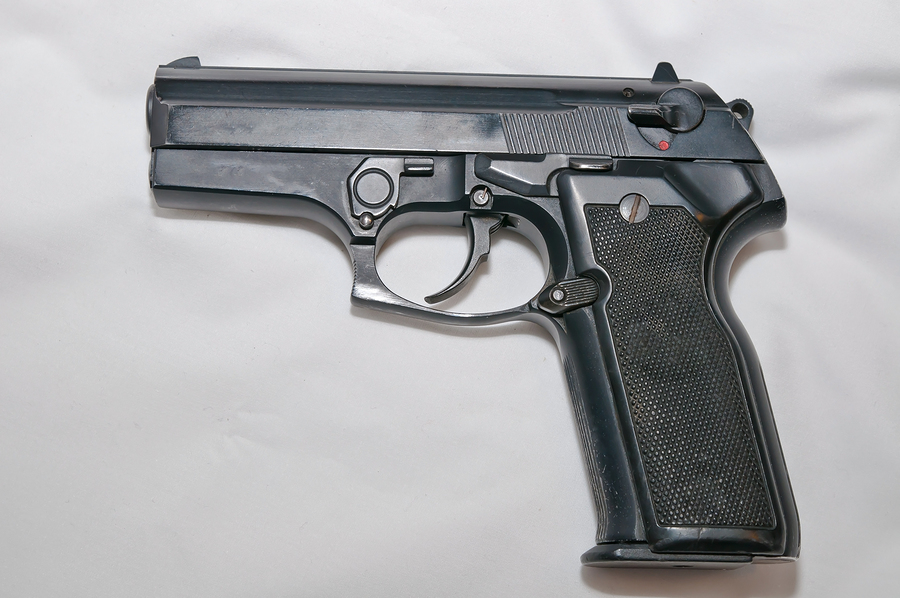
Firearm safety in the home is an important consideration when owning a firearm. Whether it is a handgun or a long gun, proper firearm safety practices ensure that your firearm is safe, secure and ready for when you need or want it. Most firearm safety practices are time tested, common-sense approaches that significantly reduce the likelihood of firearm-related accidents in your home. Safety practices for firearms are broken into two categories, the first is handling and the second is storage, both of which require their own separate practices to maintain overall safety. There are also some general safety guidelines to practice at all times.
General Firearm Safety Guidelines
When handling, storing or using firearms, there are some general guidelines to follow. These include:
- Always treat the firearm as if it is loaded, even if you know it is unloaded.
- Only place your finger inside the trigger guard and on the trigger when you are ready to fire.
- Never pull the trigger to see if a firearm is loaded or unloaded.
- Never point the firearm at another person or yourself, even in a joking manner.
- Always check the firearm for safe operation and never assume someone else checked it prior.
- When you first purchase a firearm, be sure to read and understand all documentation that comes with the firearm.
While some of these general guidelines are applied when handling the firearm, there are other guidelines that apply when picking up or transporting a firearm.
Safe Handling Practices in the Home
At some point, you are going to want to share your appreciation of firearms with friends or family. Therefore, it is imperative that you understand the safe handling practices for firearms. Along with the above general guidelines, there are some other practices to remember. These include but are not limited to:
- Always keep the firearm pointed away from people or property. A safe direction is where if the weapon fires, it will not harm people.
- Never hand a loaded firearm to another person. Make sure to clear the firearm prior to allowing another person to touch the firearm.
- When exhibiting a firearm, do not remove the trigger protection (trigger lock). Remove all together.
These practices, in conjunction with the general guidelines, will make the handling of your firearm safer for you and everyone around you. In addition, there are further guidelines for safely storing your firearm.
Safe Firearm Storage
Many firearm-related accidents occur due to the improper storage of a firearm, however, it should be noted that while many of these guidelines provide for safe storage of a firearm, in some personal safety situations, not all guidelines can be realistically followed. Therefore, it is up to the individual to establish the proper balance between safety and security for their individual situation. One practice that will provide an additional level of safety, in addition to safe storage, is making sure that all members of the household are properly educated in the safe operation of a firearm. Education is the first line of defense in safely managing firearms in and around the home.
Of course, education is only part of the safety equation and proper storage provides an additional layer of safety. Guidelines for proper firearm storage include:
- Use trigger locks when applicable. (Firearms intended for personal defense can be stored without a trigger lock, but do not keep a round in the chamber. Remove Completely)
- Keep handguns stored in a properly secured lockbox.
- For long guns, store in a secure gun cabinet or safe.
- Never store firearms loaded or with loaded magazines inserted in them. (Firearms for personal protection can be stored with a loaded magazine if needed, but, again, do not chamber a round. Remove Completely)
- Keep ammunition stored in a separate location.
- Ensure that children of any age cannot access the firearm. Do not assume that children will not find it.
- When storing a firearm, always make sure that the safety is in the on position.
It is up to the individual owner to ensure that their firearms are handled and stored properly. It is always best to never assume a firearm is safe and to occasionally check that your individual circumstances are offering the right balance for your needs.
For more firearm safety tips, check out these blog posts: